Places Where Mobile Lab Services Are Needed the Most
Places Where Mobile Lab Services Are Needed the Most
In an age where convenience and accessibility shape nearly every service industry, healthcare has been rapidly evolving to meet patients where they are. One of the most impactful innovations in recent years is the rise of Mobile Lab Services, professional diagnostic testing, sample collection, and laboratory support delivered directly to a patient’s location.
Whether it’s routine blood work, specialized testing, or urgent screenings, mobile blood collection services have transformed how people access healthcare. Instead of traveling to a hospital or clinic, patients can now receive high-quality care in the comfort of their home, office, or community setting.
But where exactly are these services needed the most? And why are they becoming essential in so many places?
Let’s explore the environments and populations that benefit most from on-the-go lab care.
1. Homes of Seniors and People With Limited Mobility
One of the biggest beneficiaries is the senior population. Many elderly individuals have chronic conditions that require routine blood tests, such as diabetes, heart disease, kidney issues, or thyroid disorders, but traveling to a clinic can be extremely challenging.
Common barriers include:
- Physical discomfort or mobility limitations
- Lack of reliable transportation
- Dependence on family or caregivers
- Long waiting times at medical facilities
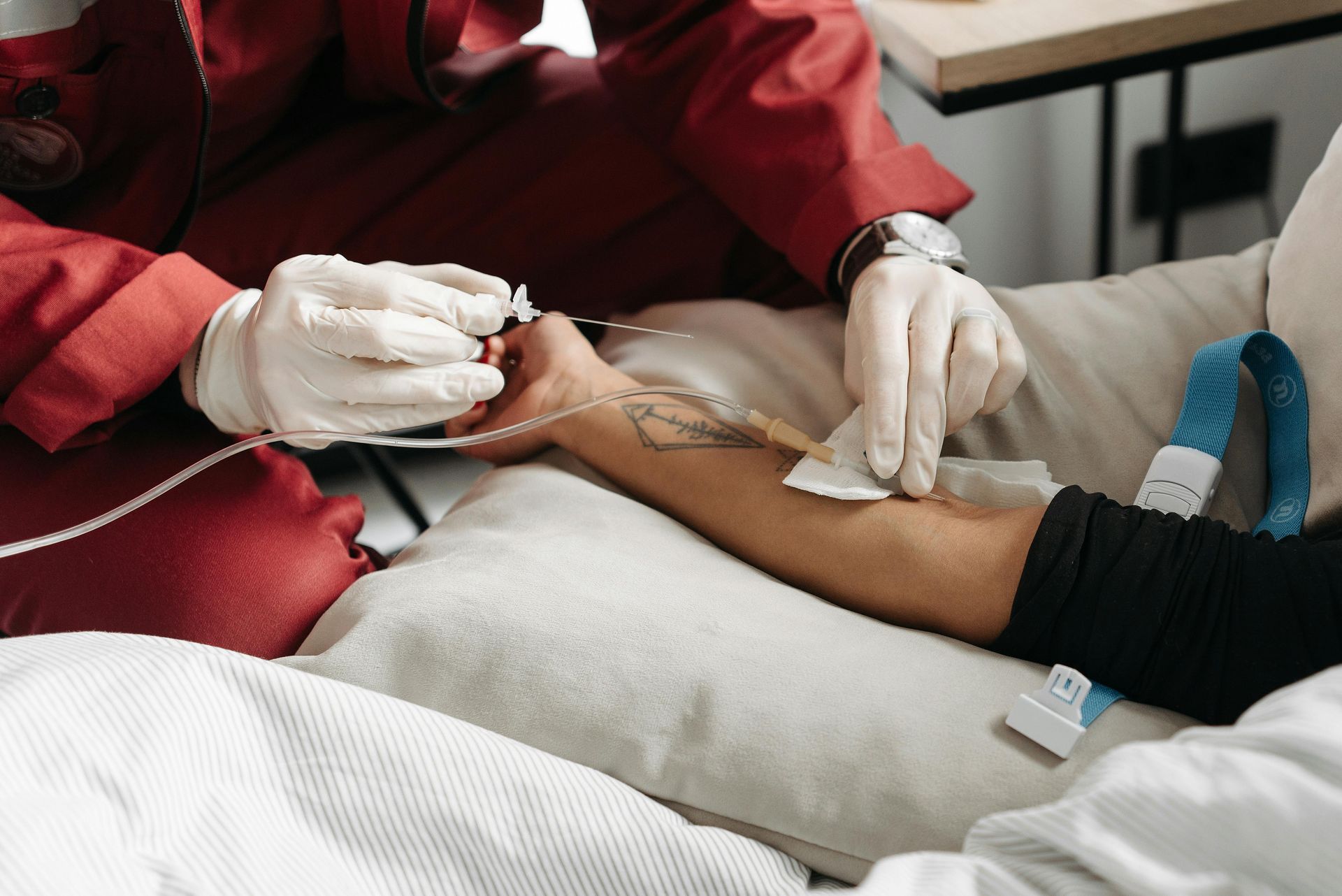
Mobile blood collection eliminate these obstacles by bringing trained phlebotomists directly to the patient’s doorstep. Home blood draws allow seniors to maintain consistent healthcare monitoring without the stress or risk associated with travel.
This service is also crucial for:
- Patients recovering from surgery
- Individuals with neurological disorders
- People with disabilities who rely on in-home care
For these groups, mobile labs are not just convenient, they’re essential for safe and consistent healthcare.
2. Remote or Underserved Communities
In many rural or geographically isolated areas, medical facilities are limited, and residents often travel long distances for even basic healthcare services. Mobile lab solutions fill this gap by bringing diagnostic capabilities into communities that lack immediate access.
Mobile units can perform:
- Routine blood draws
- Diagnostic sample collection
- Wellness screenings
- Chronic disease monitoring
The presence of these services reduces delays in diagnosis and ensures quicker treatment decisions. For underserved populations, this can lead to better long-term health outcomes and reduced healthcare disparities.
3. Corporate Workplaces and Office Settings
Companies today are increasingly prioritizing employee wellness, especially as workplaces shift toward more health-conscious cultures. Many organizations now invite mobile blood collection service to their offices for routine screenings, annual checkups, and preventive health campaigns.
Benefits for businesses include:
- Less time away from work for employees
- Increased participation in wellness programs
- Early detection of health issues
- Convenient on-site blood collection
In fast-paced office environments where employees struggle to find time for doctor visits, mobile blood collection offers a practical and efficient solution.
Industries that often rely on onsite lab services include:
- Tech companies
- Manufacturing plants
- Corporate offices
- Warehouses and logistics hubs
Convenience translates into healthier employees and more productive teams.
4. Schools, Colleges, and University Campuses
Educational institutions are increasingly adopting mobile labs for health screenings and vaccination drives. Students often have busy schedules, limited transportation, and inconsistent access to primary care providers. Mobile blood collection teams help fill these gaps by offering:
- Routine health checkups
- Immunization support
- Screening for anemia, nutritional deficiencies, or infectious diseases
This approach is especially valuable on university campuses where thousands of students can receive quick, coordinated healthcare services without overwhelming local clinics.
5. Testing Sites During Public Health Emergencies
During health crises such as outbreaks or pandemics, mobile lab services play a crucial role in community safety. They enable rapid testing, sample collection, and mass screenings without requiring large crowds to gather in hospitals.
Mobile labs were heavily used for:
- COVID-19 testing
- Flu surveillance
- Public health surveys
Their ability to operate in parking lots, community centers, and temporary outdoor setups makes them indispensable during emergencies.
The faster samples are collected, the faster communities can respond, and mobile labs make that possible.
6. Long-Term Care Facilities and Assisted Living Centers
Facilities caring for seniors or long-term patients often depend on a Mobile Blood Collection Service to maintain routine health monitoring without disrupting residents’ daily routines.
Key advantages include:
- Reduced exposure to external illnesses
- Minimal disruption to daily care or therapy
- Safe, coordinated sample collection for all residents
These services help caregivers and physicians manage residents’ conditions more effectively and reduce emergency hospital visits.
7. Homebound Patients & Post-Hospitalization Care
Patients recovering from illness, injury, childbirth, or major surgery often require follow-up lab work. Mobile lab professionals provide safe, sterile, and efficient blood draws in the comfort of a patient’s home, something especially important when mobility or immunity is compromised.
This reduces the need for:
- Transportation arrangements
- Wheelchair access logistics
- Lengthy clinic waits
For homebound individuals, mobile blood collection is not just helpful, it’s the only practical option.