Blog

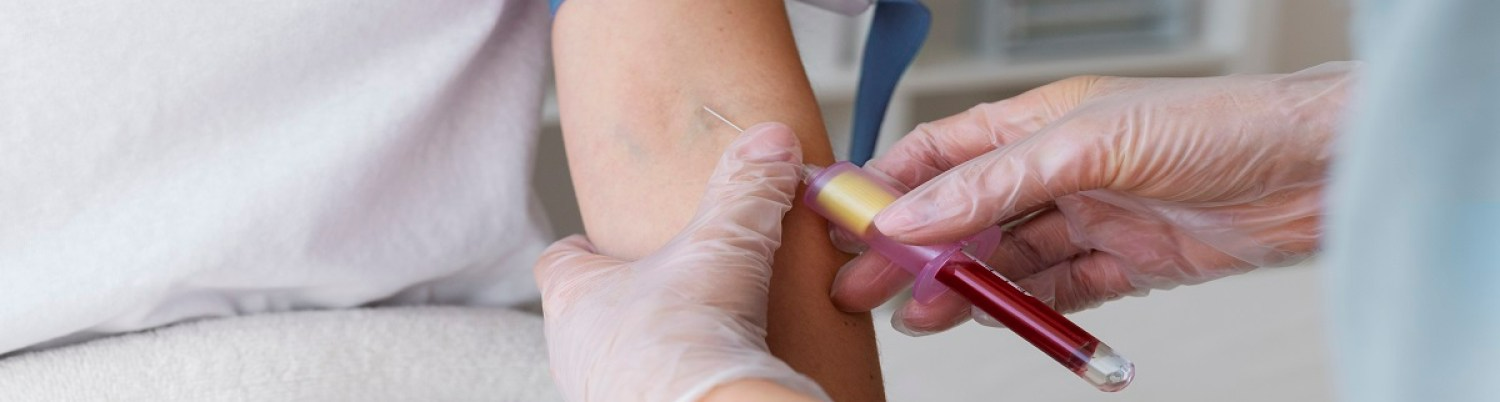
Learn about therapeutic phlebotomy, a safe procedure for treating blood conditions. Contact us for mobile services in Lancaster County.
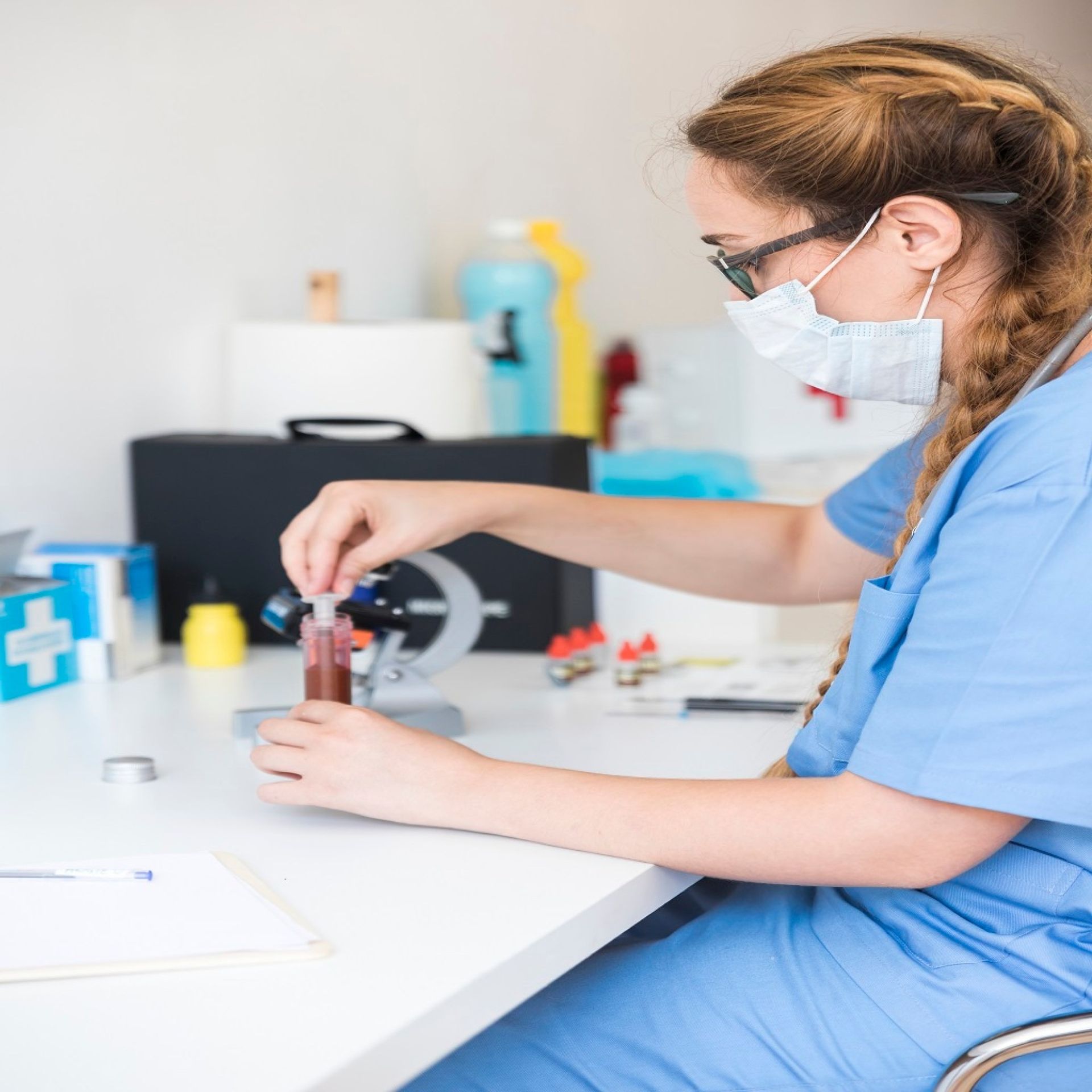
Prepare your space & gather ID for a smooth blood collection. Ensure hygiene & confirm tests with our mobile phlebotomy service.

Learn how mobile lab services aid seniors & remote communities. Contact us for on-site blood collection & testing today!
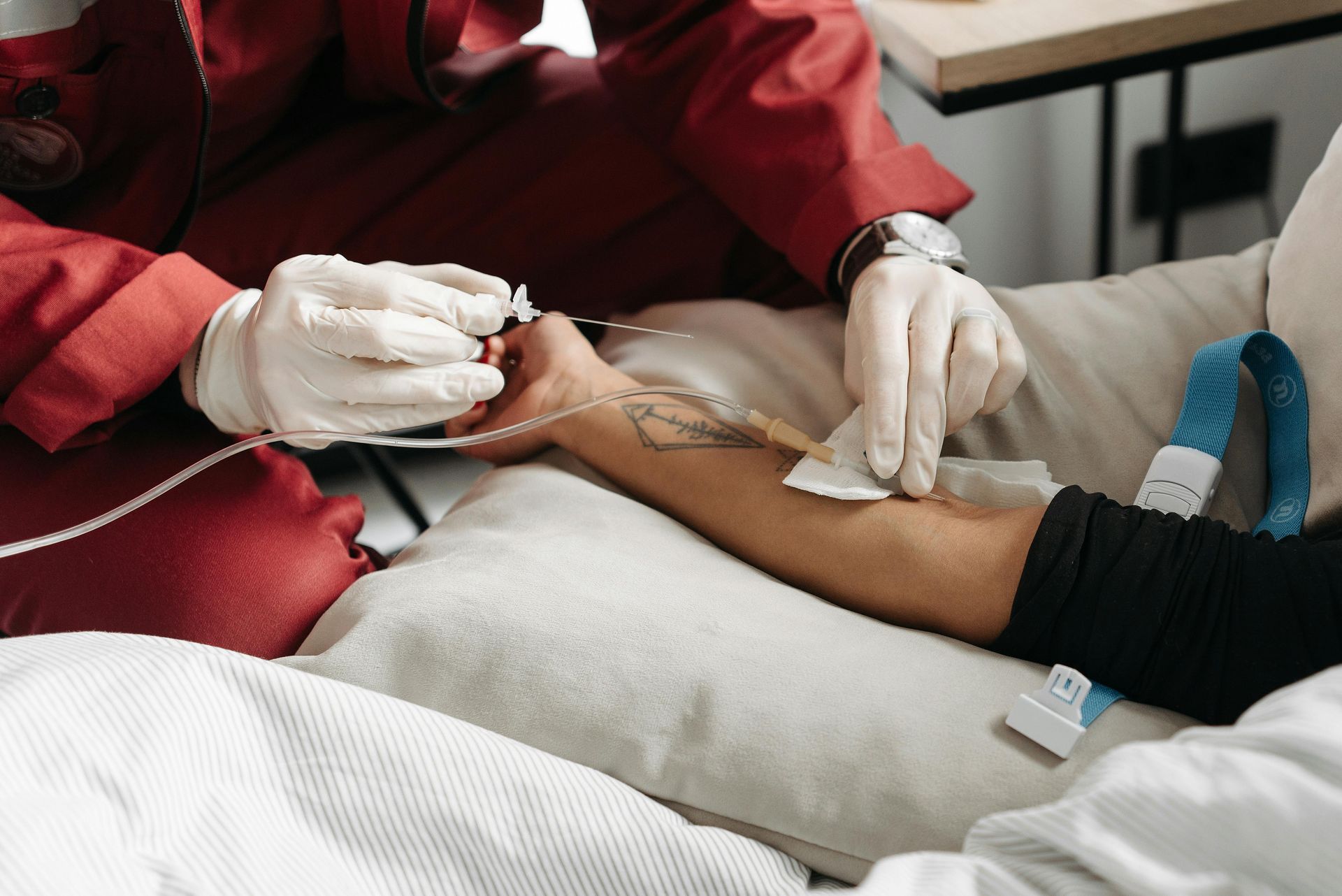
Learn about at-home blood tests, including DIY kits & professional services. Choose the best option for accurate health monitoring.
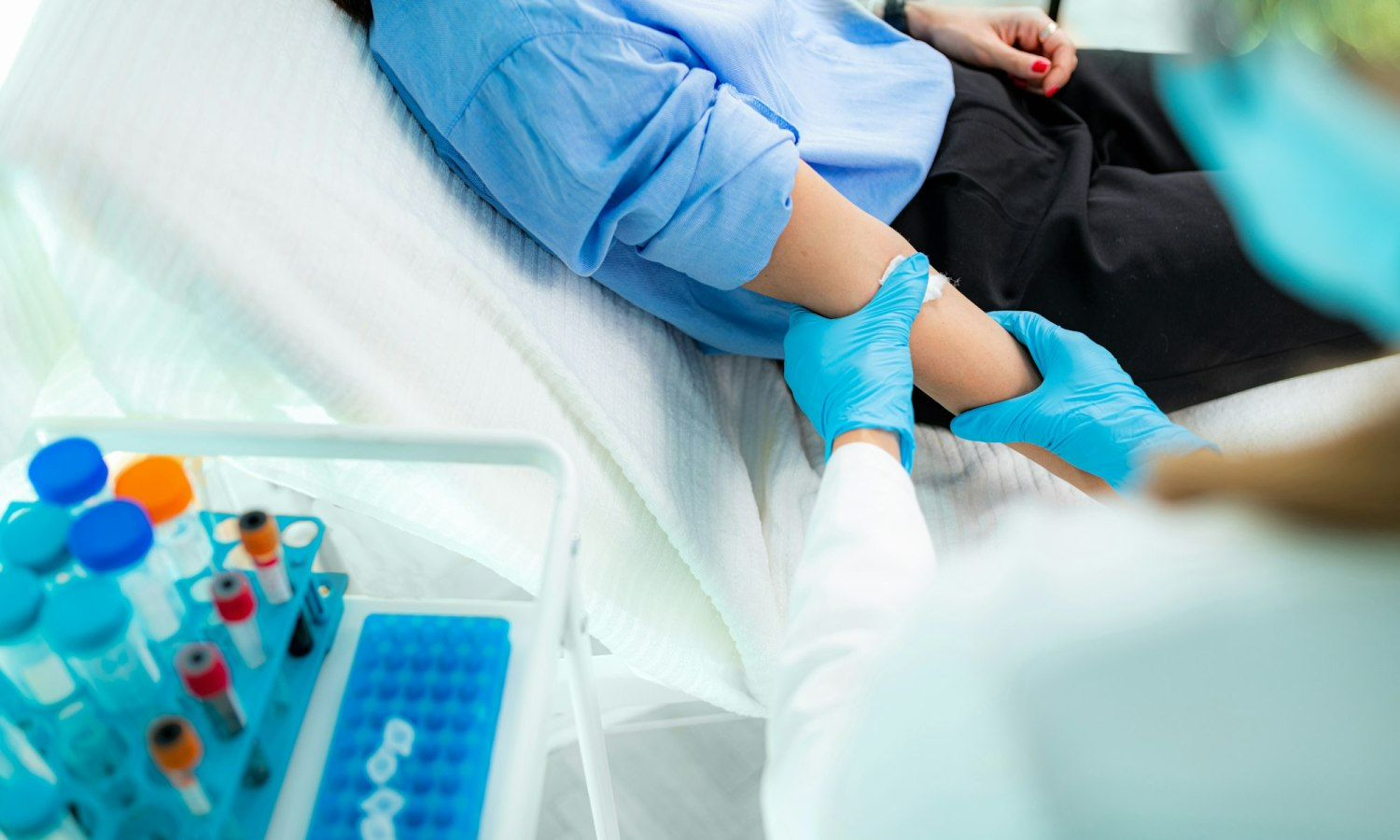
As people age, healthcare needs become more frequent and often more complex. Routine blood tests and lab work are essential in monitoring chronic conditions like diabetes, heart disease, thyroid imbalance, and nutritional deficiencies. However, for many older adults, especially those living alone, traveling to clinics or laboratories can be inconvenient, stressful, and sometimes unsafe. This is where a Mobile Phlebotomy Service becomes not only helpful but life-enhancing. These services allow licensed phlebotomists to visit patients in the comfort of their own homes to collect blood samples and deliver them to certified laboratories. The results go directly to their healthcare providers, ensuring seamless medical oversight. With the aging population continuing to rise, mobile healthcare solutions have become more than a luxury, they are a necessity.
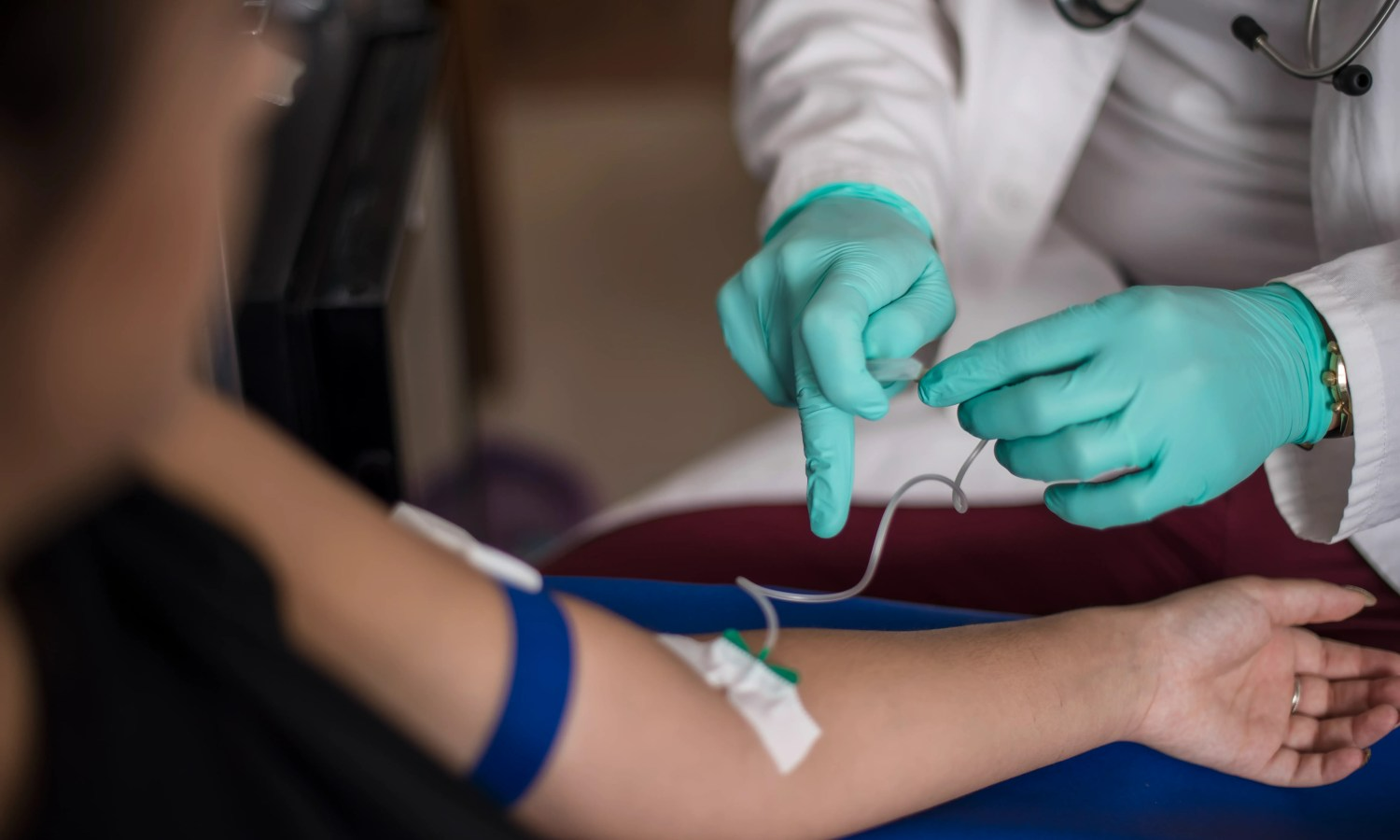
Understanding Therapeutic Phlebotomy Therapeutic phlebotomy is vital for managing hemochromatosis, a condition characterized by excessive iron in the body. This procedure, similar to blood donation, helps reduce iron overload and mitigate related health issues. The Procedure Performed under a physician’s guidance, therapeutic phlebotomy involves drawing blood, typically around 450 to 500 milliliters per session, to decrease the body’s iron levels. It’s a controlled, safe process, often requiring frequent sessions until iron levels normalize. Benefits and Goals Reducing iron through phlebotomy can alleviate symptoms of hemochromatosis, improve overall health, and prevent long-term complications. The treatment targets achieving a safe ferritin level, enhancing patient well-being. Donating Blood with Hemochromatosis Patients with hemochromatosis can donate blood, contributing to community supplies while managing their condition. It’s a win-win, though not all centers accept donations from those with the disorder due to specific regulations. Frequency and Side Effects The number of phlebotomies needed varies based on individual iron levels and health status. While effective, frequent phlebotomies can lead to side effects like lightheadedness or bruising. Constant medical supervision ensures safety and efficacy. Conclusion Therapeutic phlebotomy is a cornerstone in treating hemochromatosis, offering dual benefits of symptom relief for patients and potential life-saving blood for others. Regular monitoring and adjustments ensure optimal outcomes and quality of life.

What is a PRP Facial? A PRP facial, often known as a vampire facial, rejuvenates the skin by using your own blood’s platelets to stimulate collagen production. This non-surgical procedure helps reduce wrinkles, improve skin tone, and enhance texture. How It Works In the PRP facial process, a small blood sample is taken and spun in a centrifuge to separate the platelet-rich plasma. This plasma is then either applied topically and infused through micro-needling or injected directly into the skin.