What Is a Therapeutic Phlebotomy in Simple Terms?
If you’ve recently been told you need therapeutic phlebotomy, you might be feeling unsure about what’s ahead. The term sounds technical, and maybe even a little intimidating, but the truth is that therapeutic phlebotomy is one of the simplest and most effective treatments for managing certain blood-related conditions that can not be treated with regular blood tests. Whether you’re newly diagnosed or simply curious, understanding what is a therapeutic phlebotomy and what influences its cost can help you feel more confident and prepared.
This guide takes you through the procedure from a patient’s perspective: why it’s used, what it feels like, what results to expect, and how the financial side works.
Let’s Start From the Basics
At its core, therapeutic phlebotomy is medically supervised blood removal, similar in technique to donating blood, but done specifically to treat a health condition.
Why remove blood as treatment?
Because in certain medical conditions, the blood either contains too much iron or too many red blood cells, making it thicker and harder for the body to circulate smoothly.
Therapeutic phlebotomy is commonly prescribed for:
- Hemochromatosis (iron overload)
- Polycythemia vera (excess red blood cell production)
- Porphyria cutanea tarda
- Chronic lung or heart conditions that increase red blood cells
By removing a controlled amount of blood, usually between 350 to 500 mL, the body is forced to reset. For iron overload, the body uses up stored iron to make new blood. For conditions involving too many red blood cells, removing blood literally thins it to a safer viscosity.
In short, the procedure works with your body’s natural processes to restore balance.
Why Doctors Trust This Treatment
Therapeutic phlebotomy has been used for centuries. It remains one of the most effective first-line treatments because:
- It’s low risk
- It’s non-invasive
- It provides almost immediate relief for many people
- It’s repeatable and adjustable based on lab results
Most importantly, it helps prevent long-term complications, such as organ damage from iron overload or clotting risks from thickened blood.
Patients often report feeling lighter, less fatigued, and mentally clearer after sessions, especially once their levels begin stabilizing.
What Happens During a Session?
The moment you ask somebody what is therapeutic phlebotomy, you would know that the answer is not intense. In case you get confused, just don’t worry because the meaning as well as the experience is surprisingly simple.
Before the procedure
A nurse checks your vitals and may review your lab results. You’ll sit or recline comfortably, often in a specialized phlebotomy chair.
During the procedure
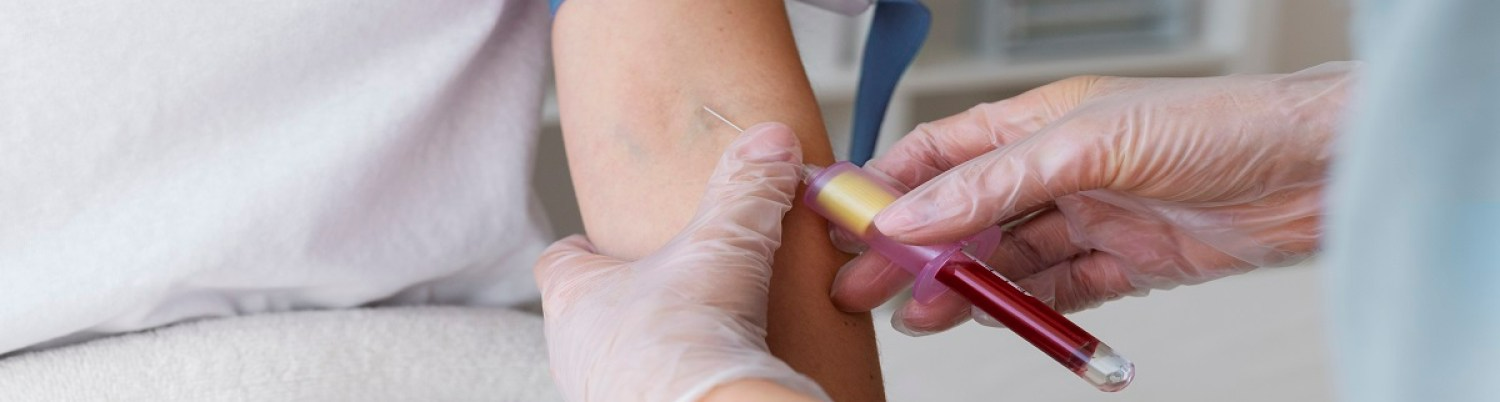
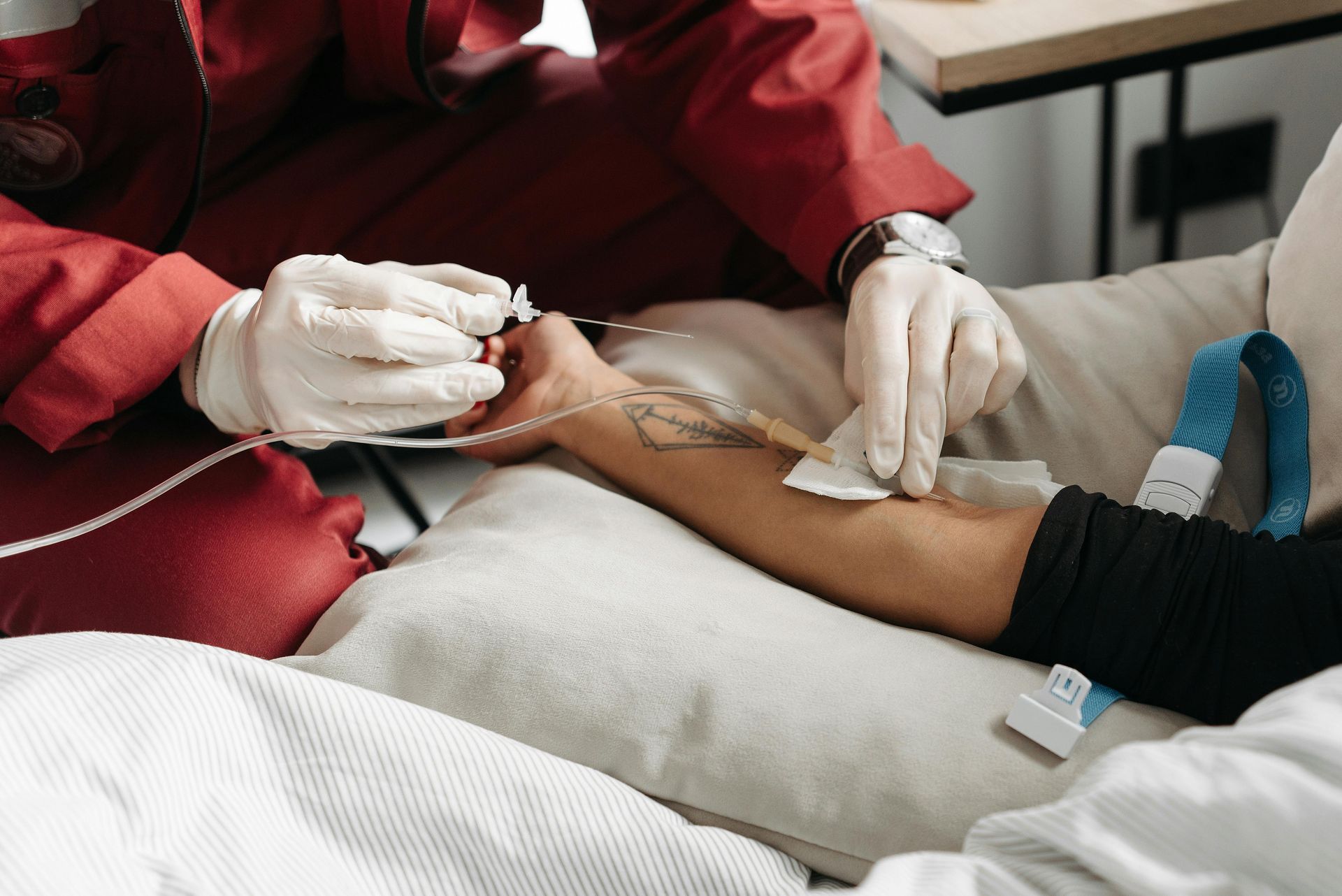
A needle is inserted into a vein in your arm, and blood flows into a medical collection bag. The process is very similar to a typical blood donation.
The draw usually lasts 10–20 minutes, depending on the amount your doctor prescribes.
After the procedure
Here are some of the common tips patients should follow:
Common tips include:
- Drink extra water
- Eat something salty or iron-balanced
- Avoid heavy exercise for a few hours
Many people return to normal activities the same day.
Does It Hurt?
The sensation is comparable to giving blood, some feel a quick pinch, others barely notice. Most discomfort comes from sitting still rather than the procedure itself.
If you’re anxious, it’s completely okay to tell the nurse. They’re trained to walk you through the experience calmly and at your pace.
How Often Do You Need Therapeutic Phlebotomy?
Your schedule depends on your condition and how your body responds.
Initial phase
This is the “intensive” period where your levels are brought down to a safer range. You might need sessions weekly or every two weeks.
Maintenance phase
Once your levels stabilize, sessions may be spaced further apart, monthly, quarterly, or even a few times a year.
Your doctor uses regular lab results to guide the schedule.
Cost of Therapeutic Phlebotomy
The cost of therapeutic phlebotomy varies widely, and understanding the factors can help you plan ahead, not just medically, but financially.
1. Insurance Coverage
Insurance plans cover the procedure when medically necessary. You may have:
- A small co-pay
- Partial cost-sharing
- Separate charges for lab work
For many insured patients, the out-of-pocket cost is minimal.
2. Without Insurance
For self-pay patients, pricing can range from moderate to several hundred dollars, depending on various factors.
Costs vary most between:
- Hospital outpatient departments (usually more expensive)
- Private clinics or specialty centers (often more affordable)
3. Additional Factors
The total cost can include:
- Pre-treatment blood tests
- Consultation fees
- Facility usage fees
- Frequency of sessions
- Location and availability of services
Some clinics offer bundled pricing or discounts for ongoing treatment plans.
What Patients Say About the Experience
Many people go into their first session feeling nervous, understandable for any unfamiliar medical procedure. But afterward, it’s common to hear:
- “That was easier than I thought.”
- “I feel less heavy.”
- “I can think more clearly now.”
- “My symptoms are finally improving.”
Therapeutic phlebotomy is simple, predictable, and often highly effective. For many, it becomes one of the most manageable parts of their long-term health routine.
In Short
Therapeutic phlebotomy may sound complex, but its power lies in its simplicity. Understanding therapeutic phlebotomy is a safe, controlled removal of blood to restore balance, which can ease any hesitation you might feel.
And knowing what contributes to the cost of therapeutic phlebotomy helps you make informed choices about where and how to receive care.
Whether you’re beginning treatment or supporting someone who is, remember: this is a time-tested, effective therapy that supports long-term health in a straightforward, accessible way.
Frequently Asked Questions
Why do doctors recommend therapeutic phlebotomy?
Doctors prescribe it to manage conditions like hemochromatosis, polycythemia vera, and other blood-thickening disorders.
How long does a therapeutic phlebotomy session take?
Most sessions take around 10–20 minutes from start to finish.
What should I do after a therapeutic phlebotomy?
You should hydrate, eat something light or salty, and avoid strenuous activity for a few hours.
Is therapeutic phlebotomy safe?
Yes, it is considered a low-risk, medically supervised procedure with predictable outcomes.
Will insurance cover therapeutic phlebotomy?
Most insurance plans cover it when medically necessary, with minimal out-of-pocket costs.