What To Do When a Professional Arrives for Blood Collection Service
Home-based healthcare has become an integral part of modern living, especially for people who prefer convenience, privacy, and comfort. Among the most widely used home services today is the blood collection service, where a trained phlebotomist visits your home to collect blood samples for diagnostic tests. But while the service is convenient, it still requires preparation on your part to ensure safety, accuracy, and a smooth experience.
Whether it’s your first time or a routine test, here are the key factors to check and preparations to make when a professional arrives for blood collection.
1. Prepare Your Space Before the Technician Arrives
To make the process of blood collection service smooth and hygienic, prepare a clean area in your home. Choose:
- A well-lit space
- A clean table surface for equipment
- A stable chair with arm support
- Good ventilation
Avoid clutter, pets in the area, or distractions. A tidy workspace helps the technician work comfortably and reduces contamination risks.
Pro Tip: If you have anxiety around needles, choose a space where you can be calm.
2. Keep Your Identification and Test Details Ready
Before the professional starts, you will need to verify your identity and confirm the tests being performed. Have these ready:
- A valid ID card
- Your appointment confirmation or test order
- Any previous reports for reference (if required)
This ensures your samples are correctly documented and matched to your test request.
3. Follow Any Required Pre-Test Instructions
Many tests require specific preparation. Make sure you’ve followed the instructions given to you, such as:
- Fasting: Usually 8–12 hours for lipid profile, sugar, etc.
- Hydration: Drink enough water unless told otherwise.
- Medication: Some medicines need to be avoided before the test, confirm this with your doctor.
Being properly prepared ensures your blood results are accurate.
4. Ask for Identification When the Technician Arrives
Once the professional reaches your home, the first thing to check is their identity. Ask them to show:
- Company-issued ID
- Lab or diagnostic center badge
- Appointment details with your name
This keeps you safe and ensures the person collecting your blood is certified and assigned to your case.
5. Observe Hygiene and Sanitation Practices
Before the blood draw begins, notice whether the technician:
- Washes or sanitizes hands
- Wears a fresh pair of gloves
- Uses sealed, sterile needles
- Carries clean, unopened vials and swabs
- Sets up equipment on a clean surface
Hygiene is crucial to prevent infection and contamination in blood collection service, so do not hesitate to ask questions if something looks off.
6. Make Sure the Equipment Is Fresh and Sterile
Good labs always use single-use, disposable tools. You should see the technician:
- Open a new needle in front of you
- Use a fresh alcohol swab
- Use sealed collection tubes
- Use a clean tourniquet
If anything appears reused or unclean, request them to replace it immediately.
7. Confirm the Tests Before the Blood Draw
Before drawing blood, the technician should clearly state:
- Which tests you are undergoing
- How many vials will be taken
- Any special handling required for certain samples
This avoids errors and assures you that the sample will be processed correctly.
8. Sit Comfortably and Relax Your Arm
Prepare yourself physically by:
- Sitting upright
- Resting your arm on a table
- Relaxing your muscles
- Taking slow breaths if you’re nervous
A relaxed arm helps veins become more accessible and reduces discomfort during the needle insertion.
9. Pay Attention to Labeling and Documentation
Once the blood is drawn, the most important step is proper labeling. The technician should:
- Label each sample tube in front of you
- Include your name, age, and test code
- Use barcodes if the lab follows digital tracking
- Double-check the details before packing the samples
Watch this process carefully. Mislabeling can lead to incorrect or mixed-up test results.
10. Ensure Post-Collection Care Is Done Properly
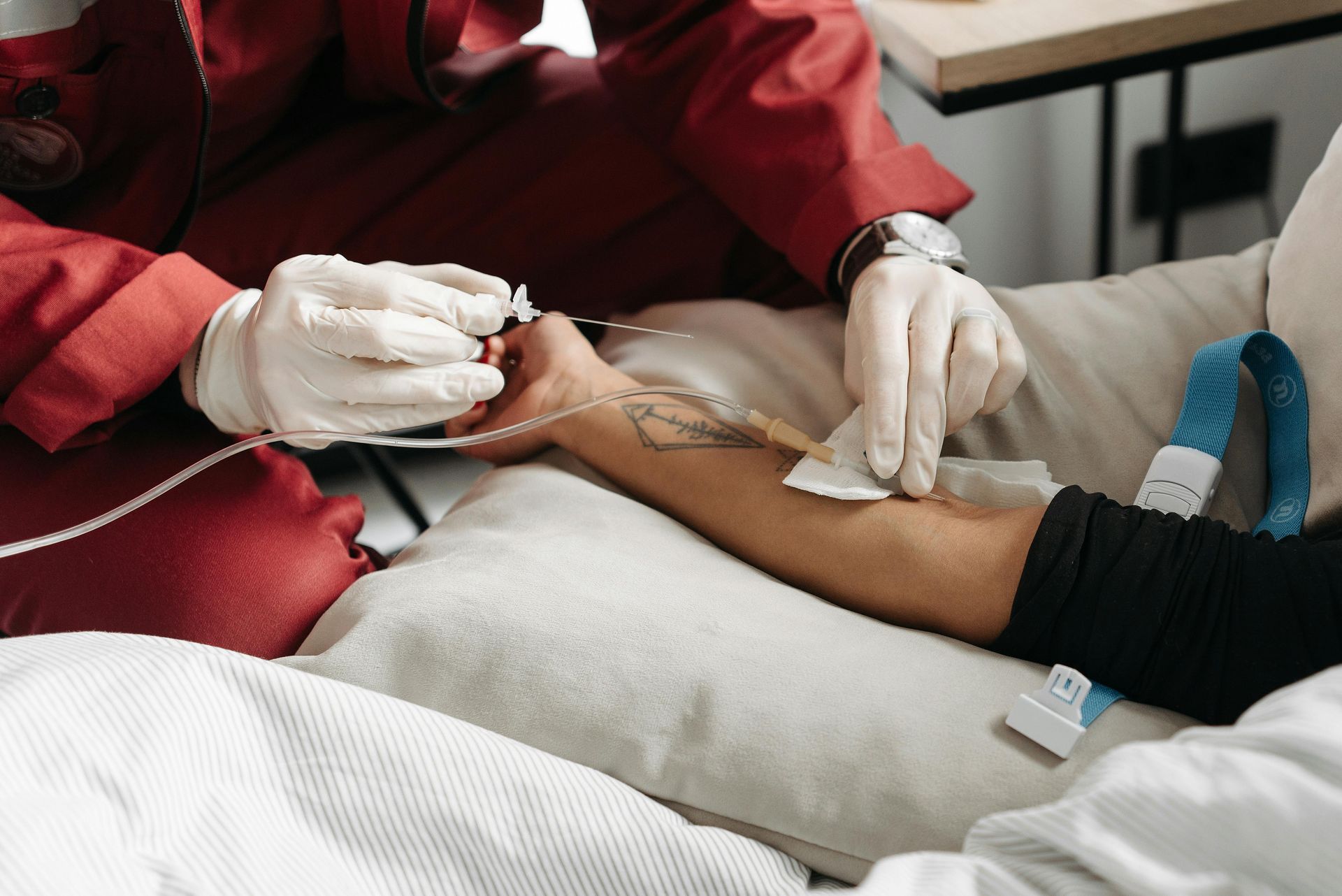
When the needle is removed, the technician should:
- Apply cotton or gauze
- Put medical tape to stop bleeding
- Check that the bleeding has slowed
- Give post-care instructions (e.g., avoid lifting heavy objects, keep the area clean)
Following these steps prevents bruising and infection.
11. Monitor How the Samples Are Packed for Transport
A reliable blood collection service will use proper storage containers. Ensure the technician:
- Places the samples in a temperature-controlled carrier (if required)
- Handles the tubes gently
- Keeps them upright
- Uses proper biohazard bags
Poor handling can affect the accuracy of your results.
12. Clarify the Report Timeline and Communication
Before the technician leaves, make sure you know:
- When your report will be ready
- How you will receive it (email, app, SMS)
- Whom to contact for queries
- Whether a doctor consultation is included
Clear communication ensures you remain informed throughout the process.