Therapeutic Phlebotomy for Hemochromatosis: Essential Guide
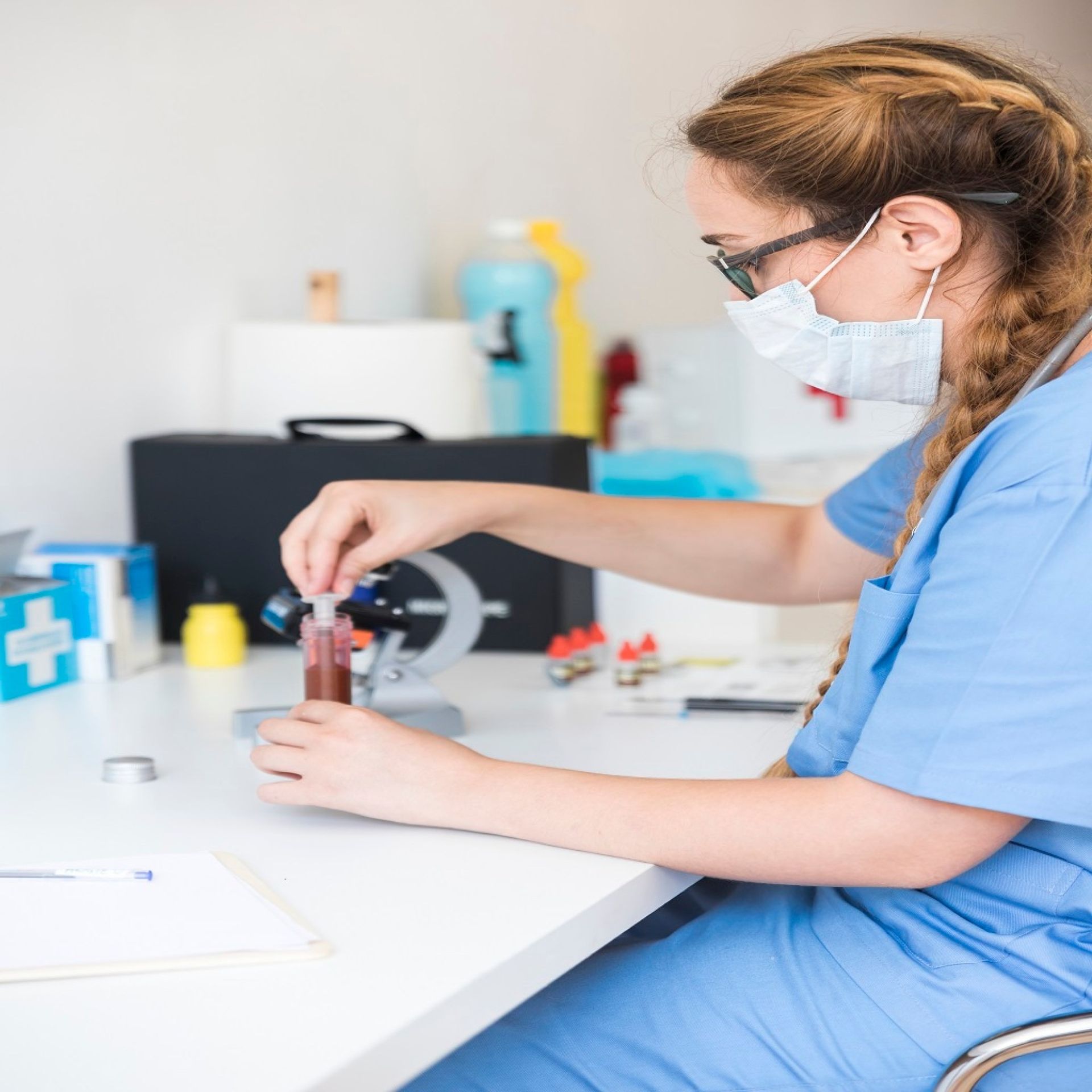
Understanding Therapeutic Phlebotomy Therapeutic phlebotomy is vital for managing hemochromatosis, a condition characterized by excessive iron in the body. This procedure, similar to blood donation, helps reduce iron overload and mitigate related health issues.
The Procedure Performed under a physician’s guidance, therapeutic phlebotomy involves drawing blood, typically around 450 to 500 milliliters per session, to decrease the body’s iron levels. It’s a controlled, safe process, often requiring frequent sessions until iron levels normalize.
Benefits and Goals Reducing iron through phlebotomy can alleviate symptoms of hemochromatosis, improve overall health, and prevent long-term complications. The treatment targets achieving a safe ferritin level, enhancing patient well-being.
Donating Blood with Hemochromatosis Patients with hemochromatosis can donate blood, contributing to community supplies while managing their condition. It’s a win-win, though not all centers accept donations from those with the disorder due to specific regulations.
Frequency and Side Effects The number of phlebotomies needed varies based on individual iron levels and health status. While effective, frequent phlebotomies can lead to side effects like lightheadedness or bruising. Constant medical supervision ensures safety and efficacy.
Conclusion Therapeutic phlebotomy is a cornerstone in treating hemochromatosis, offering dual benefits of symptom relief for patients and potential life-saving blood for others. Regular monitoring and adjustments ensure optimal outcomes and quality of life.